September 13, 2026 Post by : Editorial Reading Recommendations
The Art of Paying Attention: Why Nature Writing Rewires How We See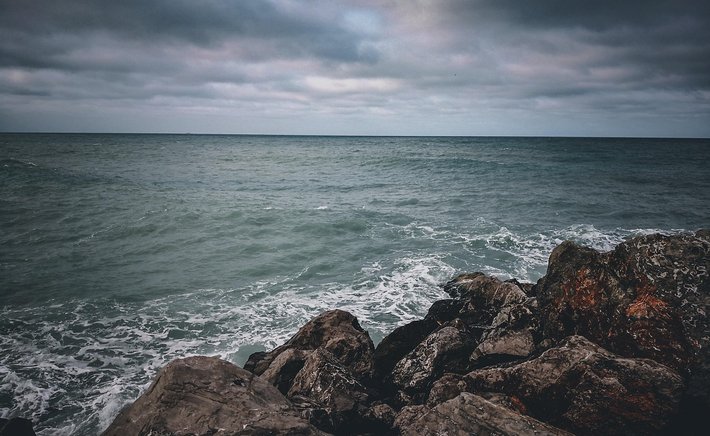
There's a reason so much nature writing happens at the edge of the sea. The coast is a boundary, and boundaries are where things get interesting. Tide pools hold entire worlds that appear and disappear twice a day. Salt air carries the smell of elsewhere. The sound of waves is both lullaby and reminder that the ocean does not care about your plans.
Some of the most enduring books in this genre are coastal books, and they tend to share a preoccupation with impermanence. Rachel Carson's The Edge of the Sea is the classic example, a book that treats tide pools as microcosms and the intertidal zone as a place of constant, beautiful upheaval. Carson was a marine biologist, but she wrote like a poet, and her attention to the small dramas of barnacles and periwinkles remains unmatched.
Then there's The Sea Around Us, also by Carson, which zooms out to consider the ocean as a planetary force. Reading her today, you can feel both the wonder and the warning. She was writing before plastic pollution and acidification became household concerns, but her descriptions of the sea's vastness make the current threats feel like a desecration.
The Personal Coast
Other writers approach the coast from a more intimate angle. In The Salt Path, Raynor Winn recounts walking the South West Coast Path with her husband after losing their home and learning of his terminal diagnosis. The book is as much about grief and resilience as it is about the sea, but the coastline is never just backdrop. It's a companion, a challenge, and a source of unexpected consolation.
Similarly, Adam Nicolson's Sea Room is about the Shiant Islands, a small archipelago in the Hebrides that Nicolson inherited. The book mixes history, natural history, and memoir, and it captures the peculiar intimacy of small islands—places where you know every rock and every bird, and where the weather is a constant character. Nicolson writes about seals and seabirds with the same care he brings to stories of shipwrecks and ancient settlements.
For a more contemporary take, try The Book of Eels by Patrik Svensson, which uses the European eel's mysterious life cycle as a lens for exploring questions of origin, extinction, and human curiosity. It's not strictly a coastal book, but the eel's journey between freshwater rivers and the Sargasso Sea gives the narrative a tidal rhythm.
Reading the Coast in a Time of Change
Coastal writing has taken on a new urgency as sea levels rise and storms intensify. Books like Elizabeth Rush's Rising document the ways communities are already adapting—or failing to adapt—to a changing shoreline. Rush's reporting is rigorous, but her prose is lyrical, and she never loses sight of the people whose lives are being reshaped by the water.
What these books offer is not just beauty but perspective. The coast reminds us that boundaries are permeable, that nothing stays put forever, and that the sea has been telling stories long before we learned to listen. If you're looking for a place to start, pick up Carson. She'll teach you how to see a tide pool. Then go find one.
Author

22 feb,2025
This incident opened my eyes to the value of Insurance in general, so I decided to examine my personal and business insurance.


Comment (3)
The payments are made directly from one person to another without passing through a central bank or clearing house.
22 feb,2025
ReplyTides, Salt, and Memory: Books That Follow the Coastline
23 feb,2025
ReplyThe Understory Speaks: Books About the Hidden Life of Forests
23 feb,2025
Reply