September 28, 2026 Post by : Editorial Environmental Literature
The Quiet Radicalism of Sitting Still: Books That Teach Us to Watch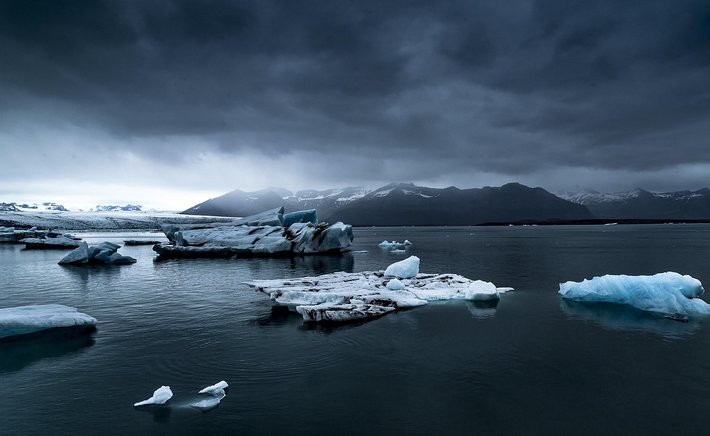
A friend once told me she'd stopped reading nature writing because it felt like reading obituaries. I understood the impulse. There's a particular ache in picking up a book about glaciers or coral reefs, knowing that the world it describes may not exist in the same form for much longer. But I've come to think that this discomfort is precisely why environmental literature matters now. It's not escapism. It's a way of staying present to what's happening.
The term 'Anthropocene' has been debated by geologists, but as a literary frame it's useful. It names the reality that humans have become a force shaping the planet, and that no landscape is untouched. Writers working in this space are grappling with what that means for the stories we tell about nature. Is wilderness still a meaningful concept? What does 'conservation' mean when the baseline keeps shifting? These aren't abstract questions. They shape how we live.
New Forms for New Realities
One of the interesting things about contemporary environmental writing is how formally inventive it's become. Elizabeth Kolbert's The Sixth Extinction moves between field reports, historical digressions, and personal reflection, refusing the tidy structure of a traditional nature book. Amitav Ghosh's essays on climate and fiction argue that the novel itself may need to change to accommodate the scale of what we're facing. Others, like Rebecca Solnit, blend memoir and activism in ways that blur the line between the personal and the political.
This experimentation makes sense. If the world is changing in unprecedented ways, the old forms may not be adequate. The pastoral tradition, with its celebration of untouched landscapes, can feel out of step with a reality of rising seas and shifting ranges. Writers are responding by developing new modes: the eco-elegy, the climate memoir, the speculative natural history. Some of it works better than others, but the willingness to try is itself important.
Staying With the Trouble
Donna Haraway's phrase—'staying with the trouble'—has become something of a mantra in environmental circles, and it captures something essential. The temptation, when faced with ecological crisis, is either to deny it or to look away. Both are forms of abandonment. Staying with the trouble means continuing to pay attention, continuing to write and read and think, even when the news is bad.
This is where literature has a role that science alone can't fill. Data can tell us the rate of ice loss or the pace of species decline. It can't tell us what it feels like to live through it, or how to grieve, or how to keep going. Those are narrative problems, and they require narrative solutions. The books I return to in this vein don't offer false hope. They offer company—the sense that others are paying attention too, and that the act of paying attention is itself a form of resistance. In uncertain times, that's not nothing. It might be everything.

Author

22 feb,2025
This incident opened my eyes to the value of Insurance in general, so I decided to examine my personal and business insurance.
Comment (3)
The payments are made directly from one person to another without passing through a central bank or clearing house.
22 feb,2025
ReplyBeyond the Charismatic Megafauna: Finding Stories in Overlooked Species
23 feb,2025
ReplyReading the Anthropocene: Environmental Literature for Uncertain Times
23 feb,2025
Reply