September 7, 2026 Post by : Editorial Nature Writing
Reading the Anthropocene: Environmental Literature for Uncertain Times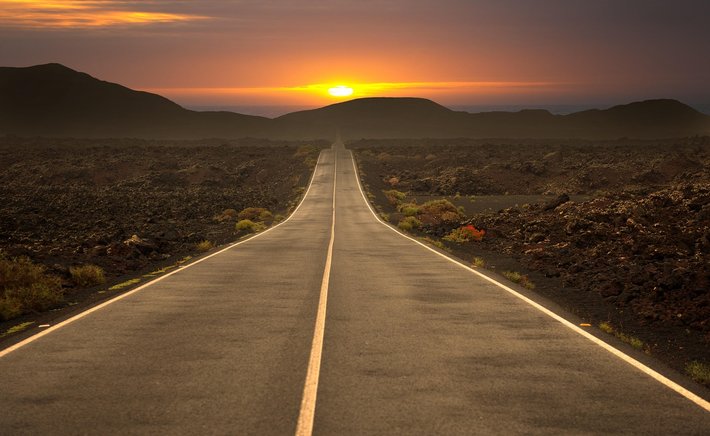
Nature writing has a green bias. Forests, rivers, and meadows dominate the genre, and there's a reason for that: they're lush, familiar, and easy to love. But the desert offers something different—a landscape that refuses to comfort, that demands a different kind of attention. The writers who have made the arid West their subject tend to be unsentimental, funny, and fiercely observant.
Edward Abbey's Desert Solitaire is the book that put desert writing on the map, and it remains divisive. Abbey is by turns lyrical and ornery, celebrating the red rock country of Utah while railing against tourism, development, and anyone who doesn't share his particular vision of wilderness. You don't have to agree with him to appreciate his prose, which has a hard-edged beauty that matches the landscape he loved.
But Abbey is not the only voice, and the desert has inspired a wide range of writers since. Craig Childs, for example, writes about the Southwest with a scientist's curiosity and a poet's ear. In House of Rain, he traces the migrations of ancient Puebloan peoples across the Colorado Plateau, using archaeology, oral history, and his own wanderings to build a portrait of a civilization that vanished.
Desert as Teacher
What makes desert writing distinct is its relationship to scarcity. In a forest, life is everywhere, and the writer's challenge is to focus. In the desert, life is concentrated, often hidden, and the writer's challenge is to notice. A single cactus can be a whole ecosystem. A dry wash can become a river in minutes during a flash flood. The desert teaches you to pay attention because the signals are subtle.
Ellen Meloy understood this better than almost anyone. Her books—The Last Cheater's Waltz, The Anthropology of Turquoise, Eating Stone—are set in the canyon country of Utah and Arizona, and they combine natural history, personal narrative, and a sharp sense of humor. Meloy was a desert rat in the best sense: she loved the heat, the silence, and the strange beauty of places most people consider empty.
Another essential voice is Terry Tempest Williams, whose Refuge weaves together family history, Mormon culture, and the flooding of the Bear River Migratory Bird Refuge. Williams writes about grief and faith with the same clarity she brings to birds and water, and her books demonstrate that desert writing can be as emotionally rich as any coastal memoir.
Why the Desert Matters Now
Arid landscapes are under pressure. Drought, development, and climate change are reshaping the American West, and the writers who know these places best are sounding alarms. But they're also offering something else: a vision of beauty that doesn't depend on abundance. The desert is not empty. It's full of life that has learned to survive on little, and there's a lesson in that for all of us.
If you've never read desert writing, start with Abbey for the passion, then move to Meloy for the humor and the science. Childs will give you deep time, and Williams will give you heart. Together, they'll change how you see dry places—and maybe how you see everything else.


Author
22 feb,2025
This incident opened my eyes to the value of Insurance in general, so I decided to examine my personal and business insurance.



Comment (3)
The payments are made directly from one person to another without passing through a central bank or clearing house.
22 feb,2025
ReplyThe Art of Paying Attention: Why Nature Writing Rewires How We See
23 feb,2025
ReplyBeyond the Charismatic Megafauna: Finding Stories in Overlooked Species
23 feb,2025
Reply