October 4, 2026 Post by : Editorial Nature Writing
The River in the Living Room: Nature Writing for People Who Live in Cities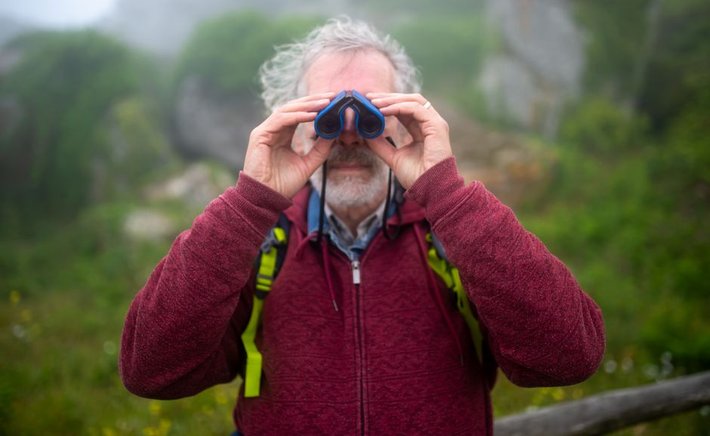
The first time I read Annie Dillard's description of a weasel, I put the book down and stared at the wall for a while. Not because anything dramatic happened—a weasel looked at her, she looked back, and something shifted. That's the whole scene. But Dillard made me feel the weight of that exchange, and for days afterward I found myself noticing small things: the way light pooled on the kitchen floor, the particular sound of wind through a hedge. Good nature writing does this. It doesn't just describe the world; it recalibrates the reader's attention.
This is a strange kind of magic, and it's worth asking how it works. When Barry Lopez writes about Arctic ice, he isn't simply reporting on geography. He's inviting you into a relationship with a place you may never visit, teaching you the vocabulary of a landscape so that it becomes legible. The same is true of Robert Macfarlane walking ancient paths, or Nan Shepherd circling a Scottish mountain in every weather. These writers are not cataloguing nature. They're modelling a way of being in it.
Attention as a Practice, Not a Talent
We tend to think of observation as a gift—some people have a good eye, others don't. But the writers I return to suggest something different: attention is a practice, and like any practice it improves with repetition. Shepherd wrote about the Cairngorms for decades, in every season, in every mood. Her book The Living Mountain is short, but it carries the density of long acquaintance. She wasn't born knowing that mountain. She earned it.
This should be encouraging for those of us who feel like we miss things. The skills that nature writers develop—patience, curiosity, the willingness to look again at something ordinary—are available to anyone willing to slow down. You don't need to move to a wilderness cabin. You need to stand at the same window more often, or walk the same path in different weather, and let the familiarity deepen rather than dull.
Reading as a Way Into the World
There's a temptation to treat nature writing as a substitute for actual experience, a way to visit wild places from the comfort of a chair. And there's nothing wrong with that—books have always been portals. But the best of this genre pushes you back outside. It sends you looking for the thing it described, or better, for the local equivalent. After reading about the chalk streams of southern England, I started paying attention to the drainage ditch behind my apartment building, which turns out to have its own small dramas: herons, minnows, the occasional flash of a kingfisher that I'm still not entirely sure I didn't imagine.
That's the quiet gift of nature writing. It doesn't ask you to travel far. It asks you to look closely at what's already there, and to trust that the looking is worth something. Dillard's weasel didn't change her life in any measurable way. But it changed how she saw, and that changed everything downstream. The same can happen to any of us, one page at a time.
Author
22 feb,2025
This incident opened my eyes to the value of Insurance in general, so I decided to examine my personal and business insurance.


Comment (3)
The payments are made directly from one person to another without passing through a central bank or clearing house.
22 feb,2025
ReplyWhen the Forest Is the Main Character: Nature Writing That Reads Like Fiction
23 feb,2025
ReplyTides, Salt, and Memory: Books That Follow the Coastline
23 feb,2025
Reply