October 1, 2026 Post by : Editorial Wildlife
Field Notes and Margins: The Pleasure of Reading Nature Writers' Diaries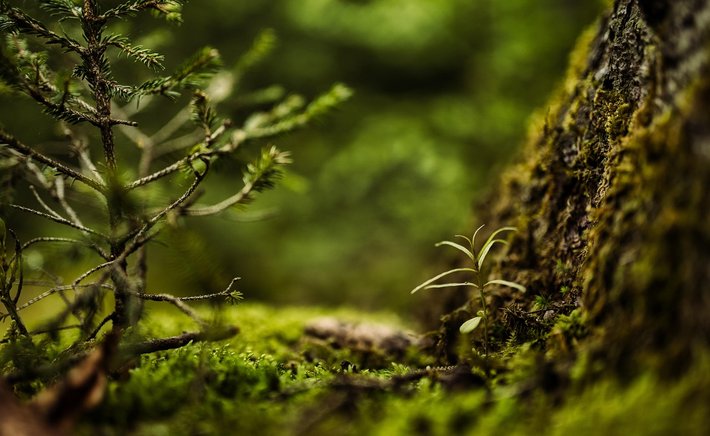
There's a reason nature documentaries love wolves, tigers, and elephants. These animals are charismatic—big, dramatic, easy to anthropomorphise, and photogenic in a way that a nematode simply isn't. Publishers know this. Bookshelves are crowded with titles about apex predators and migrating whales. But some of the most rewarding wildlife writing I've encountered has been about species that most of us would struggle to identify in the wild.
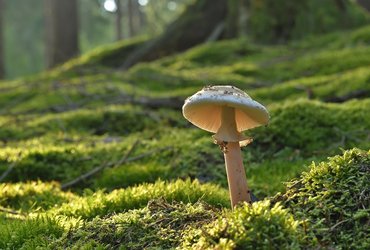
Take moss. In Gathering Moss, Robin Wall Kimmerer makes a persuasive case that these tiny plants—often overlooked, frequently stepped on—deserve sustained attention. She writes about them with the same care a novelist might give a protagonist, tracing their slow lives across rocks and logs, their intricate relationships with water and light. By the end, you find yourself looking at a stone wall differently. That's the power of writing about the overlooked: it expands what counts as a story worth telling.
The Case for Small and Strange
There's a particular pleasure in reading about creatures that defy easy categorisation. Slime moulds, for instance, which are neither plant nor animal nor fungus, and which can solve simple mazes. Or tardigrades, the microscopic water bears that survive in conditions that would kill almost anything else. Or the humble earthworm, whose quiet work beneath our feet reshapes entire landscapes over decades. These aren't the animals you see on posters, but they're the ones that hold ecosystems together.
Writing about such species requires a different toolkit than writing about wolves. You can't rely on the drama of the hunt or the pathos of a mother protecting her young. Instead, you have to find wonder in scale, in process, in the sheer strangeness of lives lived at a tempo we can barely perceive. When it works, it's revelatory. It reminds us that the natural world isn't a hierarchy with humans and large mammals at the top, but a web in which every strand matters.
What We Miss When We Only Look Up
The bias toward large animals isn't just a publishing problem; it's a perceptual one. We're wired to notice things that move quickly and look at us back. The slow, the small, and the sessile tend to fall outside our attention. But nature writing at its best corrects for this. It trains us to look down, to look closely, to ask what's happening in the leaf litter and the pond scum and the crack in the pavement.
I'm not suggesting we abandon books about bears. Those have their place, and some of them are wonderful. But a reading life that ranges wider—that includes lichens and beetles and the strange lives of fungi—ends up richer. It also ends up more accurate. The world is not primarily a stage for large mammals. It's mostly small, mostly quiet, and mostly happening at a scale we've trained ourselves not to see. The writers who help us see it are doing essential work.

Author

22 feb,2025
This incident opened my eyes to the value of Insurance in general, so I decided to examine my personal and business insurance.

Comment (3)
The payments are made directly from one person to another without passing through a central bank or clearing house.
22 feb,2025
ReplyField Notes and Margins: The Pleasure of Reading Nature Writers' Diaries
23 feb,2025
ReplyThe Quiet Radicalism of Sitting Still: Books That Teach Us to Watch
23 feb,2025
Reply